🌱 Enset Research — 5 Papers
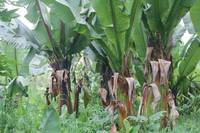
🍌 Integrated Management of Enset Bacterial Wilt
Negash T. et al. — Bonga University, 2023
Comprehensive study on Xanthomonas campestris pv. musacearum (Xcm) management. Documents transmission routes, symptom progression, survival times (3 months in soil, 3–4 days on knives), and management strategies. Up to 80% of Ethiopian enset farms infected.
Bacterial WiltTool sanitationRougingResistant clones
👥 Community-Based Integrated EBW Management
Temam B., Getahun M., Kebede M., Tsegaye Y. — Werabe ARC / Central Ethiopia ARI, 2023
Field trial in Cheha District (Gurage) and Mirab Azernet (Siltie), 2019–2021. Before intervention: 65.7% disease prevalence. After community-based management with 163 trained stakeholders and simultaneous mass rouging: reduced to 10.1% in Cheha and 5.6% in Mirab Azernet.
Community actionSiltie ZoneGurage ZoneProven results
📊 Community-Based EBW Management — 2024 Updated Results
Temam B., Getahun M., Kebede M., Tsegaye Y. — Journal of Life Science and Biomedicine, 13(4), 2024
Peer-reviewed journal publication documenting reduction from 65.7% to 10.1% EBW disease incidence in Cheha District. Updated from 2023 preliminary findings with full statistical analysis.
2024 Journal65.7% to 10.1%Peer Reviewed
💰 Economic Loss from Enset Wilting Disease — Sidama Region
Tsadiku Alemu — Trends in Agricultural Economics, 17(1), 1-7, 2024
First peer-reviewed economic quantification of ETB income loss from Enset Bacterial Wilt in Sidama Region. Essential for justifying investment in digital disease management tools.
Economic ImpactSidamaETB Quantified
🤖 Enset Disease & Pest Identification Using CNN
Tsegaye Yibgeta Biza — Jimma University, 2021
First deep learning system for Ethiopian enset disease identification. Achieved 98.87% test accuracy classifying Healthy / Bacterial Wilt / Root Mealybug. Data collected with experts from Gurage Zone Agricultural Institute and Wolkite University. Also identified Sigatoka, leaf speckle, and Cordana as visually distinct diseases.
CNN / Deep learning98.87% accuracyImage-based ID
🐦 McKnight-CCRP Integrated Management Report
McKnight Foundation CCRP — Annual Report
Documents community-level enset bacterial wilt management approaches, intercropping strategies, and traditional farming practices across southern Ethiopia enset-growing communities.
IntercroppingIndigenous knowledgeCommunity IDM
🔬 Major Tef Diseases — Updated Management Review
Ashenafi Gemechu Degete — EIAR Debre Zeit ARC, 2025
Most current comprehensive review incorporating climate change impacts on Leaf Rust, Head Smudge, Shoot Fly, and Blister Blight management across Ethiopian tef regions.
2025 UpdateLeaf RustClimate Adaptation
🌍 Teff: A Healthy Crop of the Century — Climate Challenges
Gebremedhin H. et al. — Discover Crops, Springer, 2025
First Springer-indexed study on Ethiopian tef disease-climate interactions. Addresses productivity challenges for global food security context.
Springer 2025Climate ChangeFood Security
📍 Geographical Distribution of Tef Diseases — National Survey 2025
Ashenafi Gemechu Degete et al. — EIAR Debre Zeit ARC, 2025
Updated GPS-mapped national survey covering Tigray, Amhara, and Oromia tef regions with current severity benchmarks for disease risk calculations.
2025 SurveyGPS MappingNational Coverage
🌻 Noug (Nigerseed) Research — 8 Papers · Indigenous Ethiopian Oilseed
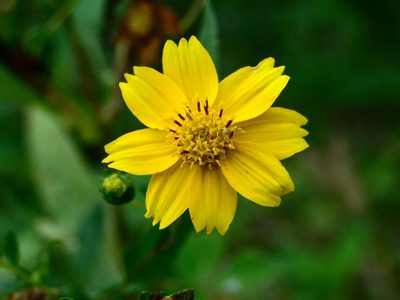
Why Noug matters: Noug (Guizotia abyssinica) is an indigenous Ethiopian oilseed crop. Ethiopia produces approximately 50% of the world's Noug, with ~285,236 hectares cultivated annually (40% of total Ethiopian oilseed area, ~159,820 tonnes/year). It is grown primarily in highlands 1600-2200 masl in Amhara, Oromia, SNNPR and Tigray.
📄 Some Diseases of Guizotia abyssinica in Ethiopia (Foundational Study)
Dagnachew Yirgou — Plant Disease Reporter 48: 672, 1964
The foundational Ethiopian study on Noug diseases. First systematic documentation of Alternaria leaf spot, Cercospora leaf spot, and other fungal pathogens affecting Noug in Ethiopian highlands. Remains the most-cited Ethiopian reference for Noug pathology and forms the basis of all subsequent Ethiopian Noug disease research.
FoundationalAlternariaCercosporaEthiopian Pathology
📄 Review of Research on Diseases of Oil Crops in Ethiopia
EIAR / Ambo Plant Protection Research Center — ResearchGate, 2009
Comprehensive review covering Noug, Linseed, and Ethiopian Mustard diseases. Documents Alternaria leaf spot as the primary yield-reducing disease in Ethiopian Noug, with peak severity during July-September wet season. Includes management recommendations and identifies research gaps for future Ethiopian Noug pathology studies.
Disease ReviewEIARYield LossManagement
📄 Niger Stem & Leaf Blight Studies at Holetta ARC
Yitbarek & Truwork — Holetta Agricultural Research Center, EIAR, 1992
Documents Alternaria stem and leaf blight as devastating for early-maturing (mesno) Noug accessions, particularly during wet seasons. Mid- and late-maturing 'abat' accessions show better escape from disease pressure due to phenological timing. Critical for variety selection and planting date recommendations in Ethiopian highlands.
Holetta ARCStem BlightVariety SelectionWet Season
📄 Crop Management Practices in Noug — Central Highlands
Holetta Agricultural Research Center (HARC) / EIAR — Oil Crops Workshop, 2010
Comprehensive agronomic guide: Noug oil content 30-50%, area ~285,236 ha (40% of total Ethiopian oil crop area), production ~159,820 metric tonnes (26% of total oilseed production). Documents three Noug types — 'abat noug' (highland, long-season), 'mesno noug' (short-season, waterlogged soils), 'bunegne noug' (lowland). Optimal seeding rate 5-10 kg/ha; harvest 2-3 weeks after 50% petal drop.
AgronomyVariety TypesYieldHARC
📄 EIAR Oilseed Crops Strategy 2016-2023
Ethiopian Institute of Agricultural Research (EIAR) — Addis Ababa, 2017
National strategic framework for Ethiopian oilseed development with Noug as flagship indigenous crop. Sets research priorities including disease resistance breeding, improved variety release, and integrated pest management. Establishes Holetta ARC as the primary national Noug research center.
National StrategyEIARBreedingIPM
📄 Patterns of Domestication in Ethiopian Oil-Seed Crop Noug
Dempewolf H., Tesfaye M., Teshome A. et al. — Evolutionary Applications 8:464-475, 2015
Genetic analysis of Noug domestication patterns across Ethiopian regions. Confirms Ethiopia as the center of origin and primary genetic diversity for Guizotia abyssinica. Documents the strict outcrossing reproductive mechanism with honeybees as major pollinators — critical context for breeding programs and disease-resistant variety development.
DomesticationGenetic DiversityHoletta ARCCenter of Origin
📄 Genetic Diversity of Noug Accessions Across Ethiopia
Geleta M. & Ortiz R. — Molecular Biology Reports, 2022
Microsatellite marker analysis of 161 Noug accessions from 14 Ethiopian regions plus Eritrea. Confirms exceptionally high genetic diversity (mean PIC 0.82, gene diversity 0.74) — providing a rich genetic resource for disease-resistance breeding. Establishes Ethiopia as the irreplaceable global reservoir for Noug genetic conservation.
Genetic DiversityBreeding ResourceEIARConservation
📄 Nutritional Profile of Ethiopian Noug
Tsehay S., Ortiz R., Geleta M., Bekele E., Tesfaye K., Johansson E. — Foods 10:1778, 2021
Evaluation of 45 Noug populations from Amhara, Oromia, SNNPR, and Tigray. Documents Noug's role in Ethiopian nutrition and human health, with significant variation in lipid and protein content across regions. Validates breeding targets for improved varieties combining disease resistance with enhanced nutritional value.
NutritionHuman HealthRegional VariationVariety Development
🌿 Wheat Research — 1 Paper
🌻 Early Warning System for Wheat Rust in Ethiopia
Allen-Sader C. et al. — Cambridge / Met Office / CIMMYT / EIAR, 2019
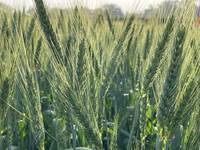
Documents Ethiopia's weather-based spore dispersal early warning system for wheat rusts. Rust spores travel hundreds to thousands of km on wind — can originate from Yemen or circulate within Ethiopian highlands. Critical monitoring period: tillering to heading. Differentiates stripe rust (10–15°C), stem rust Ug99, leaf rust, and septoria.
Stripe rustUg99 Stem rustEarly warningCIMMYT
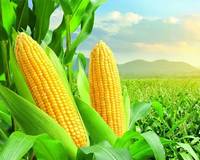
🌽 Maize Research — 3 Sources
📄 Maize Sector Development Strategy 2013–2017
Ethiopian Ministry of Agriculture — Policy Document
National maize development policy for Ethiopia. Documents the dominant role of maize in Oromia, SNNPR, and Amhara regions. Identifies key constraints including disease pressure, drought, and limited improved seed access for smallholders in drought-prone areas.
Policy & strategyOromiaSNNPRAmhara
📄 Maize Value Chain Potential in Ethiopia
FAO / Open Knowledge — Value Chain Study
Analyses commercialisation, market structure, and production constraints for Ethiopian maize smallholders. Highlights that Northern Leaf Blight (NLB) and common rust are the leading disease causes of yield loss (20–50% and 12–60% respectively). Documents recommended resistant varieties: BH-540, BH-543, BH-546, BH-660.
NLBCommon RustResistant varietiesFAO
📄 Socio-Economic Determinants of Maize Production
Semantic Scholar / Ethiopian Journal of Agricultural Sciences
Field-level study of smallholder maize farmers. Documents how disease incidence, input availability, and access to certified seed interact with yield outcomes. Notes Maize Lethal Necrosis Disease (MLND) as a viral threat with no chemical cure — only resistant varieties and rouging provide control.
MLNDSeed accessSmallholder constraints
☕ Coffee Research — 3 Sources
📄 Coffee and Household Poverty in Ethiopia
Environment for Development (EfD) — Discussion Paper
Documents coffee's central role in smallholder livelihoods in Kaffa, Jimma, Sidama, and Hararge. Coffee Berry Disease (CBD — Colletotrichum kahawae) destroys 48.7% of berries in untreated farms. Coffee Wilt Disease (CWD — Fusarium xylarioides) causes 37% yield loss nationally with 28% incidence — no chemical cure exists, only uproot and burn.
CBDCWDKaffaJimmaLivelihoods
📄 The Coffee-Khat Interface in Eastern Ethiopia
David Publisher — Ethiopian Agricultural Studies
Documents land-use competition between coffee, khat, and food crops in eastern Ethiopia. Provides regional context for where coffee is grown alongside sorghum and maize. Highlights Coffee Leaf Rust (CLR — Hemileia vastatrix) as worst below 1,500m altitude, where temperature and humidity favour spore spread.
Coffee Leaf RustEastern EthiopiaAltitude risk
📄 Smallholder Typologies in Ethiopia
IIASA Pure — Farming System Classification
Classifies Ethiopian farming systems and identifies perennial crop zones where coffee dominates household income. Documents shade management as a key traditional practice for reducing leaf rust severity in Kaffa forest-coffee systems.
Perennial systemsShade managementIIASA
🥔 Potato Research — 3 Sources
📄 Farming System Framework for Investment Planning
ACIAR — Australian Centre for International Agricultural Research
Lists potato as a strategically important crop in Ethiopian mixed highland farming systems. Identifies Amhara (North Shewa — Holeta), Oromia (Arsi, Bale highlands), and Tigray highlands as primary growing zones. Late Blight (Phytophthora infestans) identified as the decades-dominant disease in cool humid highlands.
Late BlightHighland systemsArsiBaleACIAR
📄 Smallholder Typologies in Ethiopia
IIASA Pure — Farming System Classification
Positions potato within mixed highland farming systems where it complements cereal crops like barley and wheat. Documents Bacterial Wilt (Ralstonia solanacearum) as a newer but devastating disease — causing wilting, brown vascular staining, and bacterial ooze; no chemical cure, managed through clean seed tubers and 3-year rotation.
Bacterial WiltClean seedCrop rotation
📄 Concern Worldwide — Potato in Amhara
Concern Worldwide / Development Programme Report
Field evidence of potato expansion into Amhara region communities traditionally reliant on barley. Documents introduction of improved potato varieties as a food security intervention, and identifies Late Blight and Bacterial Wilt as the two key disease threats requiring immediate farmer awareness and management support.
AmharaImproved varietiesFood security
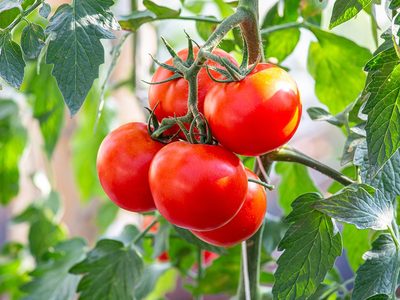
🍅 Tomato Research — 6 Papers · Central Rift Valley + EIAR Melkassa
Why Tomato matters: Major Ethiopian vegetable cash crop with ~9,768 ha annually (~913,000 tonnes). Central Rift Valley (Adama, Meki, Ziway) is the production heartland. Tomato faces an active national crisis with Tuta absoluta (invasive leafminer since 2012) causing 80–100% losses in unmanaged fields, plus Late Blight, Early Blight, and Bacterial Wilt.
📄 Identification and Management of Major Diseases and Arthropod Pests of Tomato in Ethiopia — Technical Manual
Yitayih Gedefaw et al. — EIAR Melkassa Agricultural Research Center, 2024 [FOUNDATIONAL]
The most comprehensive Ethiopian reference for tomato disease and pest identification. Published by EIAR Melkassa (the national tomato research authority), this 2024 technical manual covers every major tomato disease (Late Blight, Early Blight, Bacterial Wilt, Powdery Mildew, Fusarium Wilt, Bacterial Spot) and pest (Tuta absoluta, whiteflies, aphids, African bollworm, spider mites, thrips) with field signs, management protocols, and resistant variety recommendations.
EIAR Melkassa2024FoundationalAll diseasesAll pests
📄 Integrated Effect of Insecticide and Sex Pheromone on Tuta absoluta
Jabamo T., Ayalew G., Goftishu M., Wakgari M. — EIAR Melkassa, Crop Protection 2023
Two-season field trial (2020-2021) at Melkassa testing integrated Tuta absoluta management. Combined spinosad (Tracer 480 SC at 150 ml/ha) with pheromone mass trapping reduced larval populations by >83% and recovered yields significantly compared to insecticide alone. Demonstrates that integrated approach is essential to delay pesticide resistance — the only sustainable path forward for Ethiopian tomato farmers.
Tuta absolutaIPMPheromoneSpinosadMelkassa 2023
📄 Integrated Management of Tomato Late Blight in Arbaminch, Southern Ethiopia
Hawassa Agricultural Research Center / SARI — 2017
Documents yield losses of 63.7–100% from Late Blight (Phytophthora infestans) in Gamo Gofa areas. Tests four varieties (ARP tomato d2, Roma VF, Bisholla, Melkasholla) under five fungicide frequencies. Optimal strategy: combine moderately resistant varieties (Melkasholla, Bisholla) with reduced-frequency Ridomil MZ Gold sprays — provides 70%+ disease control with minimum chemical input.
Late BlightVariety SelectionHawassa ARCReduced Spray
📄 Efficacy of Copper Plus WP against Tomato Diseases at Arba Minch
Melese Lema & Bililign Mekonnen — Hawasa Agricultural Research Center / SIARI, 2026
Field efficacy of copper-based fungicide against Late Blight, Early Blight, Bacterial Spot, and Powdery Mildew in Arba Minch and Mihirab Abaya (Southern Region). Provides current Ethiopian field-tested copper application protocols and identifies the four-disease complex that Ethiopian Rift Valley tomato farmers face simultaneously.
Copper FungicideMulti-diseaseHawasa ARC2026
📄 Pseudomonas fluorescens Biocontrol of Early Blight in North Wollo
Berihun B., Demissie A., Felatie H. et al. — Woldia University / U. Gondar, PLoS ONE 2026
Identifies indigenous Ethiopian Pseudomonas fluorescens isolate Pfsa31 that reduced Alternaria solani (Early Blight) disease index to 24.7% — comparable to standard chemical treatment (28.5%) vs control (60.3%). Demonstrates that locally-isolated biocontrol agents can replace synthetic fungicides — eco-friendly option for resource-constrained smallholders in Amhara region.
Early BlightBiocontrolNorth Wollo2026Eco-friendly
📄 Tomatoes: Research Experiences and Production Prospects (Research Report 43)
Lemma Desalegn — Ethiopian Institute of Agricultural Research (EIAR), 2002
Foundational EIAR research report covering Ethiopian tomato production systems, variety development history, agronomic practices, and disease pressure assessment. Still cited as the baseline reference for Ethiopian tomato research two decades later. Establishes Central Rift Valley as the country's main commercial tomato production zone.
EIAR FoundationalVariety HistoryProduction Systems
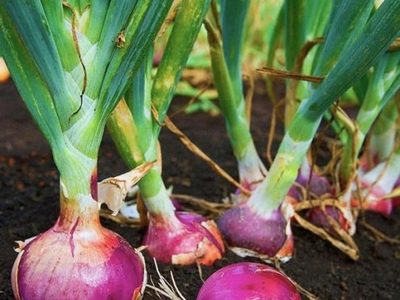
🧅 Onion Research — 5 Papers · Fogera Plains + EIAR + Arba Minch
Why Onion matters: Critical Ethiopian vegetable crop and export commodity. Common varieties: Bombay Red, Adama Red, improved EIAR releases. Purple Blotch (Alternaria porri) reaches up to 100% prevalence in Fogera and other Amhara areas — the single most destructive onion disease nationally. Onion Thrips (Thrips tabaci) is the most common pest, with economic threshold at 5–10 thrips per plant.
📄 Demonstration of Recommended Fungicides against Onion Purple Blotch in Fogera Plains
Genet A. & Yalew D. — J. Plant Biol. Crop Res. 5(1):1046, Bahir Dar 2022
Field demonstration in Dera, Fogera, and Libo Kemkem districts (Amhara) of 2-3 sprays of Tebuconazole (Natura 250 EW) or Difenoconazole (Diprocon 33 EC) for purple blotch control. Lowest disease severity and highest yields achieved with three sprays — provides specific, actionable Ethiopian fungicide recommendations validated in farmer fields.
Purple BlotchFogeraBahir DarTebuconazole2022
📄 Integrated Management of Purple Blotch at Arba Minch, Southern Ethiopia
Arba Minch University / SARI — Field Trials
Integrated management trials in Southern Ethiopia evaluating fungicides (Tebuconazole, Difenoconazole, Azoxystrobin + Difenoconazole, Mancozeb) combined with cultural practices. Documents Alternaria porri + Stemphylium vesicarium as the "purple blotch complex" — both pathogens often co-occur and require integrated triazole-based fungicide programs for effective control.
Purple Blotch ComplexArba MinchIntegratedTriazoles
📄 Cultural Management Practices for Onion Purple Blotch in Ethiopia
Northwestern Ethiopia Survey — Bahir Dar University Research Group
Survey-based identification of cultural practices that reduce purple blotch incidence: early transplanting (early December), planting after cereals (avoiding Allium succession), frequent plowing (more than 4 times), and using smaller field sizes (≤0.25 ha). These low-input cultural strategies are critical for smallholders who cannot afford repeated fungicide applications.
Cultural PracticesSmallholderLow-inputRotation
📄 Onion Thrips (Thrips tabaci) Management Trials — EIAR
Ethiopian Institute of Agricultural Research — Central Rift Valley Trials
Establishes economic threshold of 5–10 thrips per plant for intervention timing. Tests botanical control options (neem, Datura/jimson weed extracts) and biological agents (Beauveria bassiana) alongside selective insecticides. Critical because thrips not only cause silver-streak feeding damage but also vector viral diseases — early detection is essential.
ThripsEconomic ThresholdBotanicalsBiocontrol
📄 Purple Blotch Epidemiology — Foundational East African Reference
Bock K.R. — Annals of Applied Biology 54:303-313, 1964 (Kenya Rift Valley)
Classic foundational epidemiology study documenting that Alternaria porri infection requires temperature 21-30°C, leaf wetness 8+ hours, and high relative humidity for conidial germination. Two distinct lesion types identified: typical purple-brown blotches under high RH; white irregular flecks under low RH (often sterile, harder to diagnose). Resistance governed by cuticle thickness — wounding from sandstorms/winds breaks defense.
FoundationalEpidemiologyEast AfricaClimate Triggers
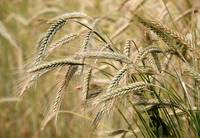
🌾 Barley Research — 3 Sources
📄 Nutritive Values and Farmers' Preference of Barley
CGSpace CGIAR — Ethiopian Barley Research
Documents farmer preferences, nutritive value, and usage of barley varieties across Ethiopian highlands. Barley is Ethiopia's 4th most important cereal, grown at 1,500–3,500m altitude. Net Blotch (Pyrenophora teres) causes up to 67% yield loss and is the most widespread barley disease nationwide. National yield is 1.97 t/ha vs 3.1 global — disease is a key yield gap driver.
Net BlotchYield gapCGIARHighland 1500–3500m
📄 Farming System Framework for Investment Planning
ACIAR — Australian Centre for International Agricultural Research
Lists barley as a major crop in Ethiopian mixed highland farming systems alongside wheat and potato. Documents Scald (Rhynchosporium secalis) as the most prevalent barley disease — found in 79.2% of surveyed fields with water-soaked blotches turning tan. Recommends Rescue 430SC fungicide at 0.5L/ha and Thiram/Apron Star seed dressing.
ScaldStripe RustSeed dressingACIAR
📄 Pulses in Ethiopia — Cereal Rotation Context
Edepot WUR — Wageningen University
Provides highland farming system context where barley is grown in rotation with pulses and wheat. Documents the importance of crop rotation in managing soil-borne pathogens including Loose Smut (Ustilago nuda — black sooty grain heads) and Spot Blotch (Cochliobolus sativus — brown spots on leaves). ~40 diseases recorded for barley in Ethiopia.
Loose SmutSpot BlotchCrop rotationWUR
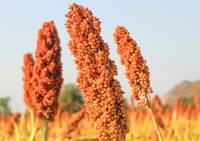
🌿 Sorghum Research — 3 Sources
📄 Determinants of Sorghum Crop Commercialization
PMC / NCBI — National Institutes of Health Journal
Field study documenting sorghum as a primary staple in semi-arid lowlands of Tigray, East Oromia, and Amhara. Anthracnose (Colletotrichum sublineola) is the most destructive sorghum disease causing 50–87% yield loss in susceptible varieties. Ethiopia is globally recognised as the centre of origin for sorghum genetic diversity — a major reason why disease resistance breeding is conducted here.
Anthracnose50–87% yield lossTigrayEast Oromia
📄 Country Report on Plant Genetic Resources — Sorghum
FAO — State of Plant Genetic Resources
Official FAO documentation of Ethiopian sorghum genetic diversity. Documents traditional farmer-managed diversity as a drought and pest resistance resource. Covered Kernel Smut (Sporisorium sorghi — black sooty grain heads) and Charcoal Rot (Macrophomina phaseolina — black pith under drought) are documented as priority threats in low-rainfall zones.
Genetic diversityCovered SmutCharcoal RotFAO
📄 Farming System Framework for Investment Planning
ACIAR — Australian Centre for International Agricultural Research
Documents sorghum's role in mixed semi-arid farming systems across Ethiopia. Identifies Grain Mold Complex (pink/grey head discolouration) in wet years and Downy Mildew (Peronoscleropora sorghi — white fuzzy growth) as secondary threats. Recommends resistant varieties as the primary and most effective management strategy — chemical control has limited effect on smut and mold.
Grain MoldDowny MildewResistant varietiesACIAR
How Research Becomes Advice
Each paper and institutional source was read and converted into a structured knowledge base. When you submit a query, the AI receives the full knowledge base for your crop and is instructed to base its advice strictly on those research findings. This means advice like "disinfect your machete with fire or bleach before moving to the next plant" comes directly from Negash et al. 2023 (Enset), or "uproot and burn — no chemical cure exists" comes from the EfD coffee study for Coffee Wilt Disease.
The knowledge base for each crop includes: disease names (scientific and local), dominant Ethiopian regions, farming system context, altitude and climate conditions, symptom descriptions in sequence, transmission routes ranked by importance, management steps ranked by effectiveness, proven real-world results, and traditional indigenous practices with regional attribution.